
Rate the Game:
Android
Mar 5, 2026
361 MB
1.0.51
37GAMES GLOBAL
Strategy
IOS
Mar 4, 2026
865.39 MB
1.0.5
37GAMES GLOBAL
Strategy
Advertisement
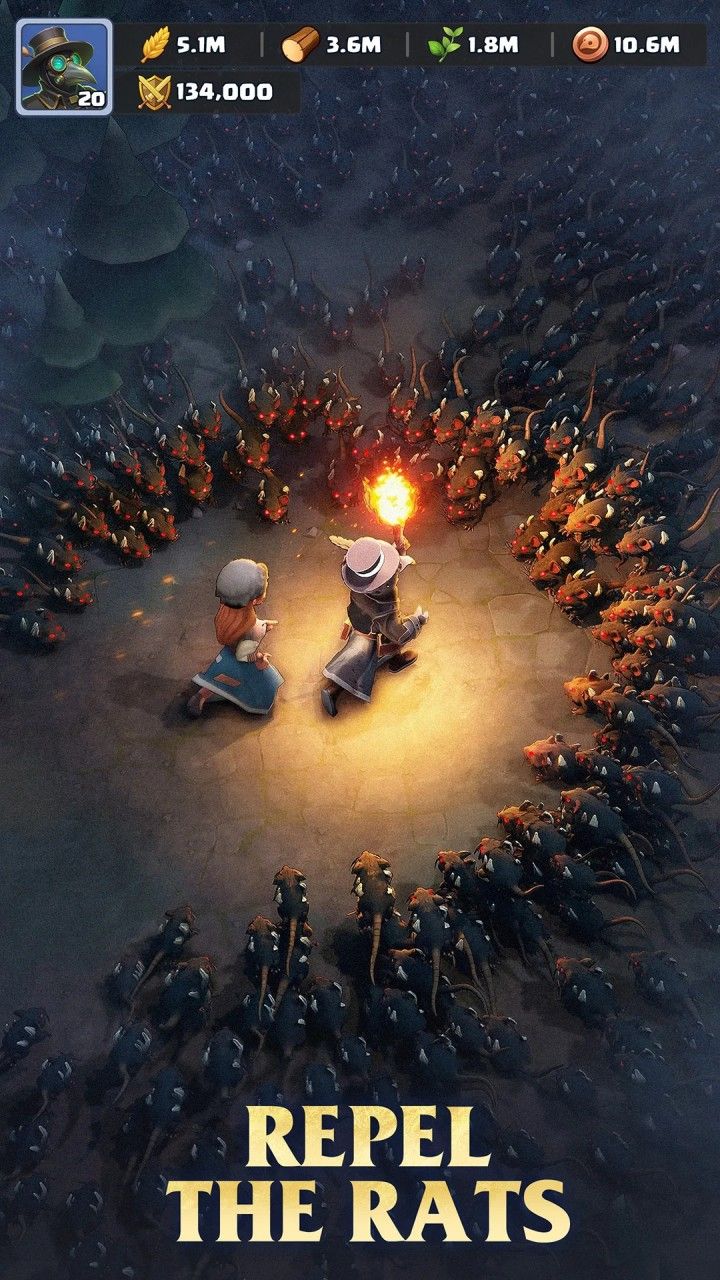
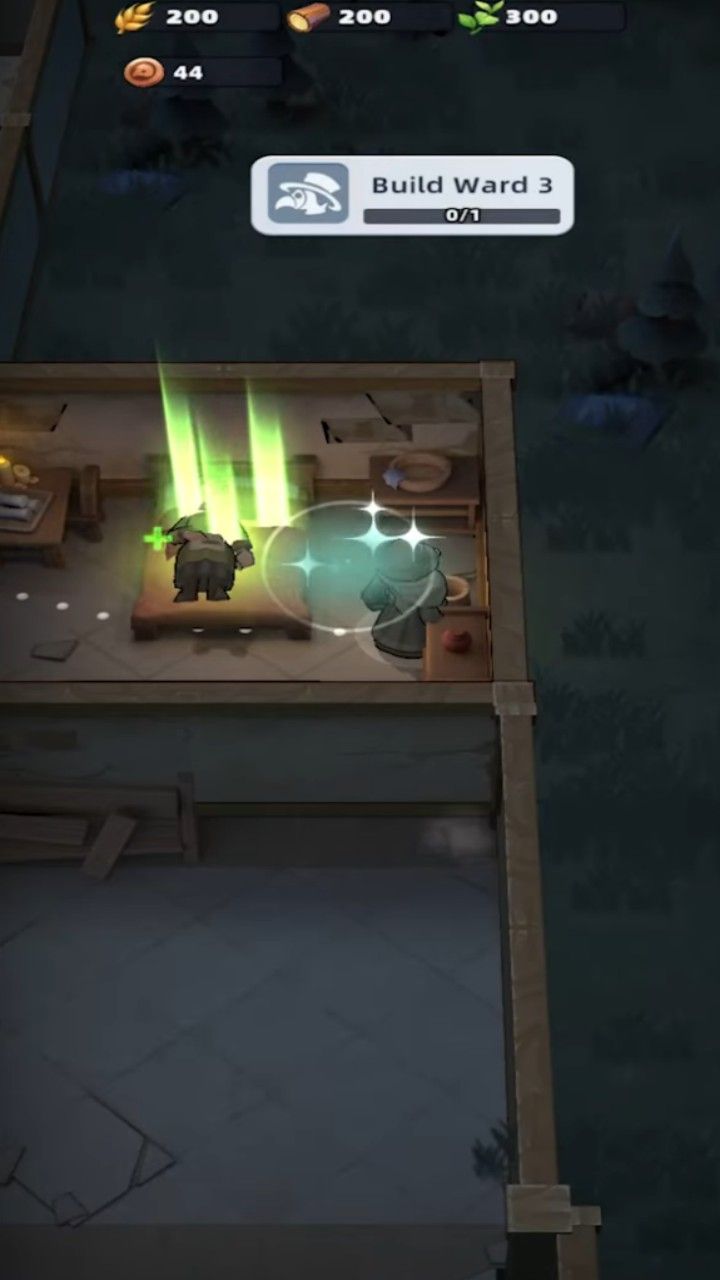
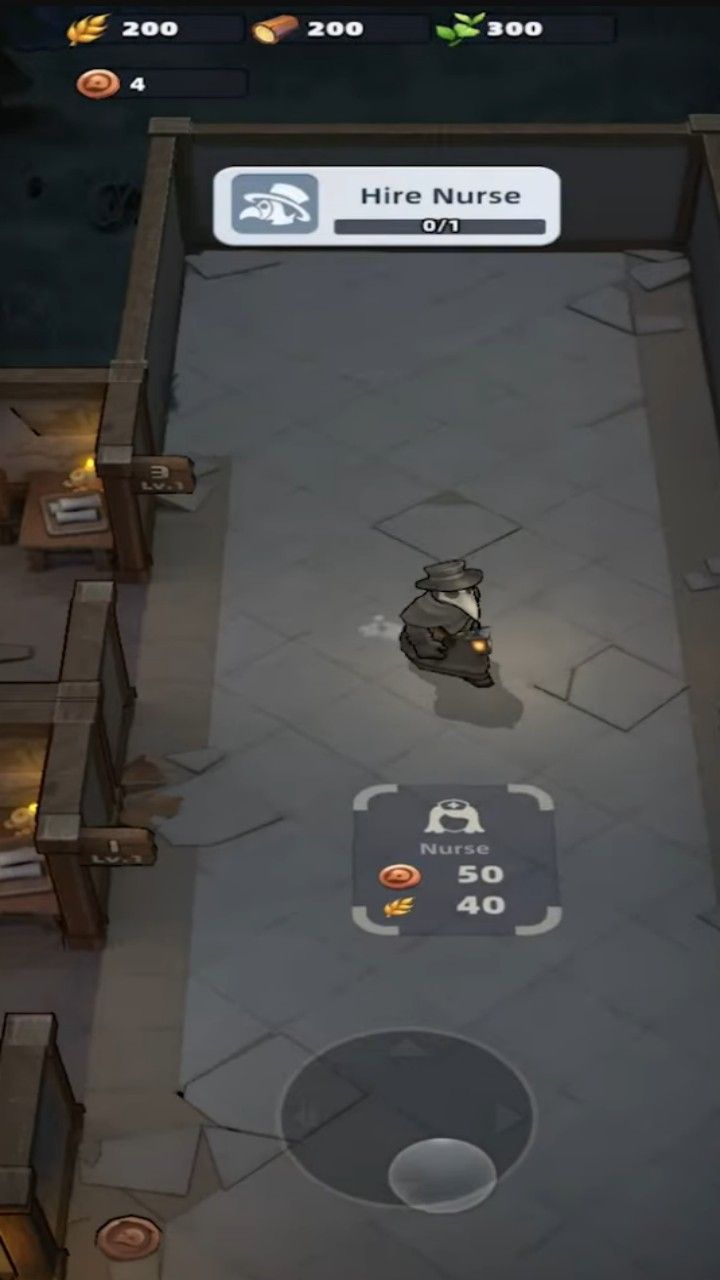
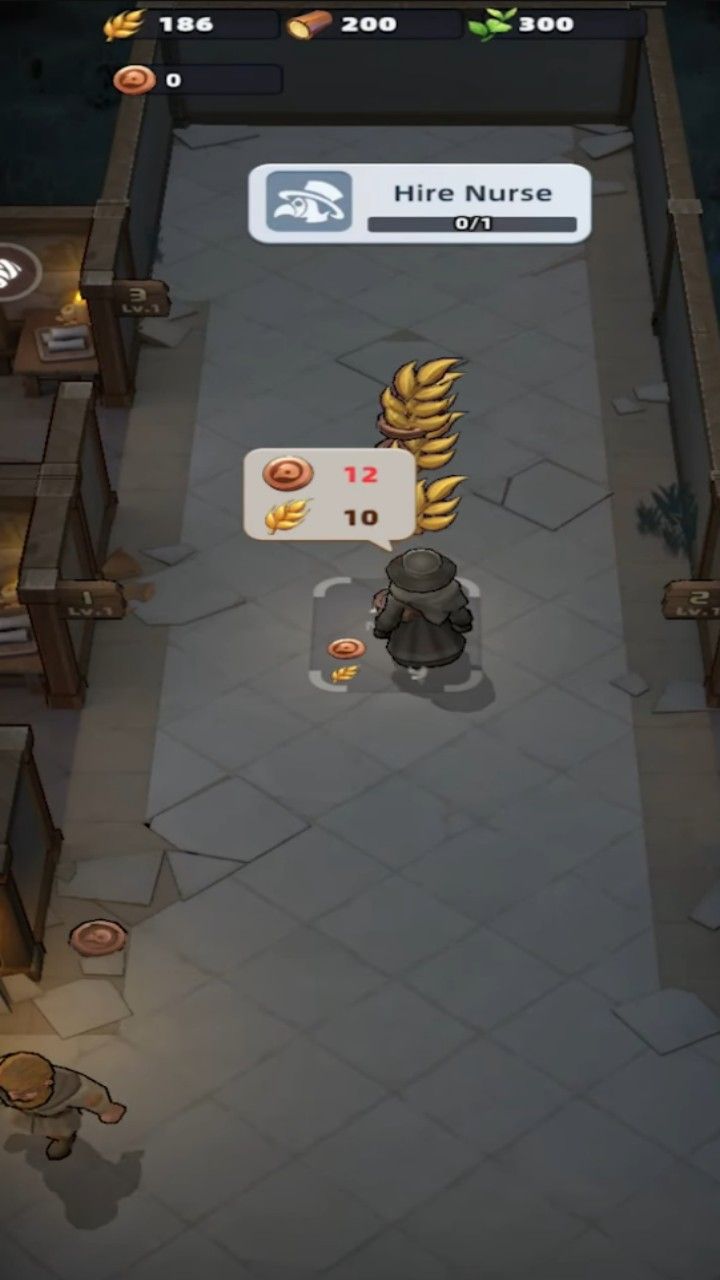
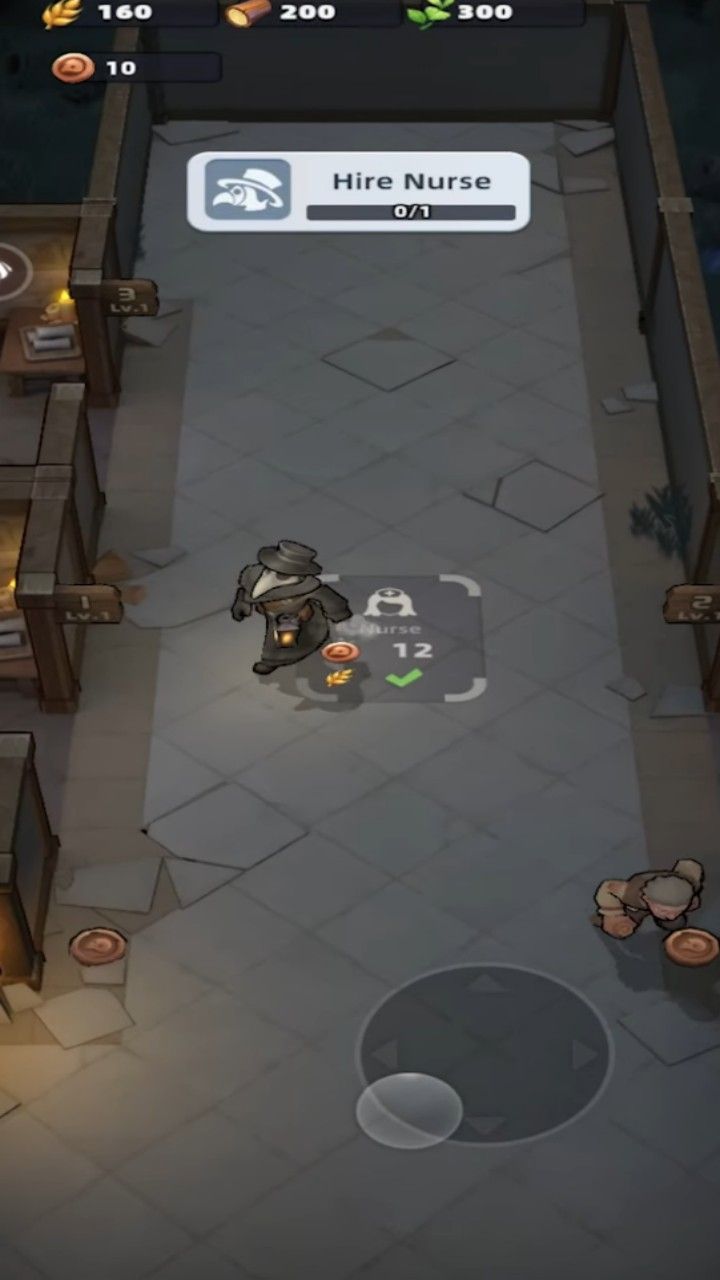
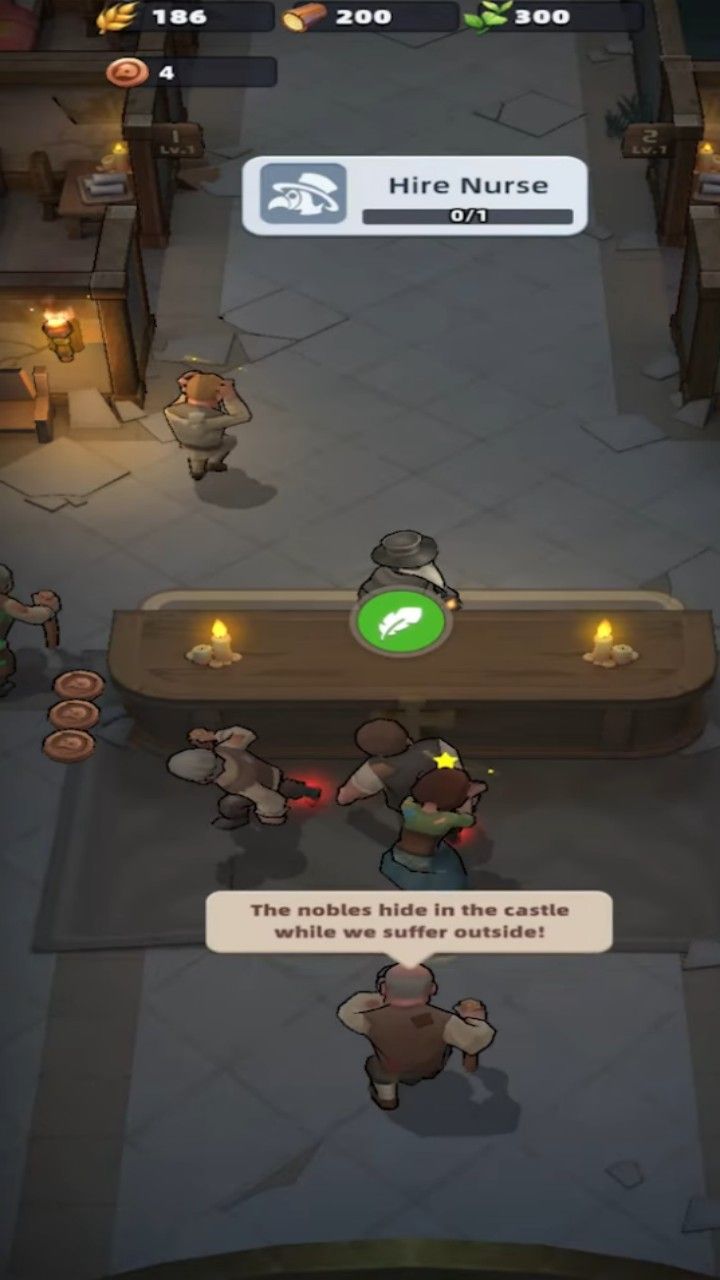
When the last echo of the surface world’s sirens faded into a permanent, toxic silence, the era of the sun ended and the age of the bunker began. Last Asylum: Plague invites you into a harrowing, high-stakes simulation of human resilience, set in a subterranean fortress where the air is a luxury and a single cough can signal the end of a civilization. This is a world reshaped by a sentient, necrotizing pathogen known as the "Blight," a virus that doesn't just kill—它remodels the living into hyper-aggressive vectors of contagion. As the newly appointed Warden of the Last Asylum, you are the final arbiter of fate, balancing the razor-thin line between scientific salvation and total biological collapse. Your walls are the only thing standing between a handful of survivors and a planet that has become a predator.
To master the claustrophobic corridors of the asylum, you must excel at Macro-Biological Management. The gameplay is a sophisticated blend of base-building, resource scavenging, and tactical defense. You must designate zones for hydroponics, research, and habitation, all while maintaining a rigid quarantine protocol. Survival depends on your "Resource Flow"—the ability to convert raw scrap found in the wasteland into medical supplies and defensive armaments. Combat occurs when the "Blight-Shade" hordes detect your life-support signatures; you must then deploy your security teams in real-time, utilizing a "Layered Defense" system. This involves using heavy barricades to slow the infected while your specialized chemists use flamethrowers and corrosive gas to dissolve the biomass of the swarm before it breaches the inner sanctum.
Stepping into this decaying world is a seamless experience if you prioritize the Infrastructure First methodology. Beginners should ignore the temptation to expand too quickly. Instead, focus on the "Clean Air Loop": ensure your ventilation systems are upgraded and filtered before adding more survivors to the roster. A professional tip for an easy start is the "Airlock Buffer"—always build a small, empty room between your main entrance and the living quarters. If the infected break through the primary door, this buffer zone allows you to trigger a localized decontamination purge without sacrificing your entire base. By focusing on stability over size, you create a foundation that can withstand the increasingly aggressive mutations of the later waves.
For those aiming for a high-velocity victory and a "Clean Sweep" of the campaign, you must adopt the Offensive Research Doctrine. Speed-running through the tiers requires you to prioritize the "Pathogen Analysis" tree over basic armor upgrades. By decoding the virus’s DNA early, you unlock "Antigen Orbs," which can be deployed on the battlefield to instantly neutralize entire clusters of the infected, effectively skipping long, drawn-out sieges. Additionally, focus on "Scout Efficiency"—sending out high-mobility units to secure rare chemical components rather than bulk scrap. These rare materials allow you to craft the "Omega Vaccine" ahead of schedule, which is the only way to permanently seal the surface vents and trigger the game’s final victory state.
As the final decontamination lights hum to life and the air filters breathe a sigh of pure, unpolluted oxygen, you realize you have done the impossible: you have outlasted the end of the world. The Last Asylum is no longer a tomb, but a seed for a new beginning, a testament to the fact that even in the deepest darkness, the light of human ingenuity cannot be extinguished. The plague is retreating, the survivors are waking, and the dawn—though still far away—is finally within sight.
Advertisement

Massive Warfare: Tanks PvP War

Clash of Clans

Lords Mobile: Kingdom Wars

Shadow Fight 2 Special Edition

Last Fortress: Underground

Devil's Attorney

Rush Royale: Tower Defense TD

Kingshot

Sea War: Raid

Identity V

Sniper 3D:Gun Shooting Games

Frozen City

Vita Fighters

The Survival Hunter Games 2

Roblox

Fate War
Advertisement